For more than four centuries, Ayutthaya stood as one of Asia's most powerful and cosmopolitan capitals, rivaling the grandeur of London and Paris in its prime. Today, its shattered temples and headless Buddhas tell a story of breathtaking rise, devastating fall, and remarkable endurance.
The Kingdom of Ayutthaya was founded in 1351 by King Uthong, who took the royal name Ramathibodi I after relocating his court from U Thong due to a devastating outbreak of plague. He established his new capital on a strategically brilliant island formed by the confluence of three rivers — the Chao Phraya, the Lopburi, and the Pa Sak. This natural moat provided formidable defense and easy access to maritime trade routes. The city's name is derived from Ayodhya, the sacred Hindu city from the Ramayana epic, reflecting the deep Khmer and Brahminical cultural influences that shaped the early kingdom's royal traditions and cosmological worldview.
From its earliest decades, Ayutthaya demonstrated remarkable political ambition. Ramathibodi I codified law, established Theravada Buddhism as the state religion, and conquered the neighboring Khmer-influenced kingdom of Suphanburi. He also launched campaigns against the Khmer Empire at Angkor, ultimately sacking it in 1431 — a conquest that transferred enormous Khmer court ritual, art, and administrative knowledge to Ayutthaya. These early foundations shaped a civilization that would become extraordinarily sophisticated. By absorbing Khmer court culture and blending it with Tai Buddhist traditions, Ayutthaya developed a distinctive identity that would define Southeast Asian civilization for generations and draw diplomats, merchants, and adventurers from across the known world.
At its height in the 16th and 17th centuries, Ayutthaya was one of the largest and wealthiest cities in the world, with an estimated population of one million people — making it larger than contemporary London or Paris. The city attracted traders from China, Japan, India, Persia, Arabia, Portugal, France, and the Netherlands, each maintaining their own residential quarters along the riverbanks. Portuguese merchants arrived as early as 1511, establishing Ayutthaya as one of the first Southeast Asian kingdoms to engage with European powers. The city's enormous floating markets, gilded temples, and waterborne processions dazzled foreign visitors, including French envoys sent by King Louis XIV in 1685.
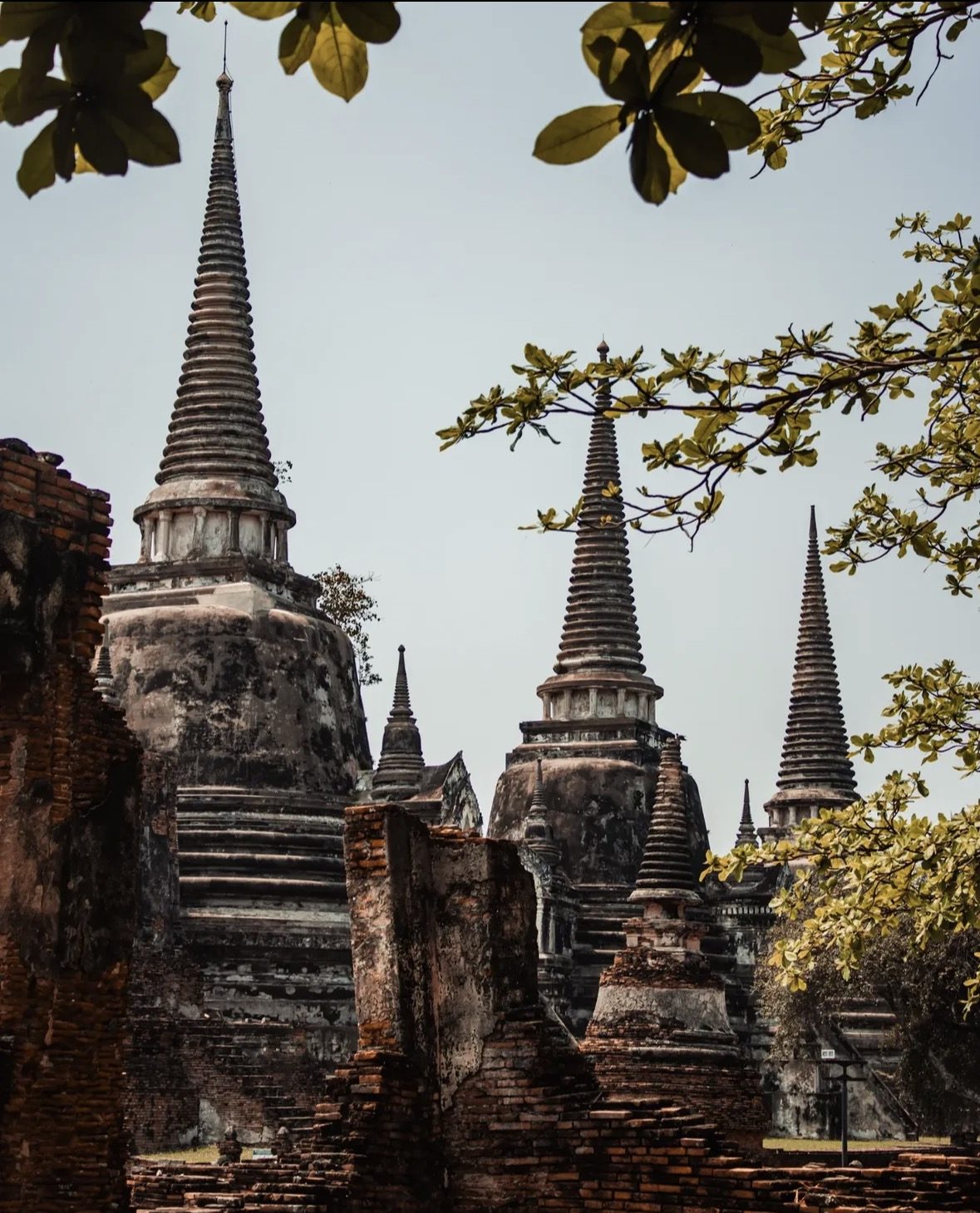
Ayutthayan architecture reached extraordinary heights of artistic achievement, blending Khmer prang towers with the graceful chedis and viharns of Theravada Buddhist tradition. The city once boasted over 400 temples, three royal palaces, and dozens of fortified walls. Wat Phra Si Sanphet, the royal temple within the palace complex, housed a 16-meter-tall Buddha encased in 250 kilograms of gold. Wat Mahathat, founded in the late 14th century, grew into a towering complex that served as the seat of Ayutthaya's supreme patriarch. These monuments were not mere religious structures — they were political statements of divine kingship, projecting royal power through sacred architecture visible from great distances across the flat central plain.
Ayutthayan society was a sophisticated blend of rigid hierarchy and dynamic cultural exchange. The king was considered a divine Chakravartin — a universal ruler and bodhisattva — surrounded by an elaborate court hierarchy drawn partly from Khmer traditions. Beneath the royalty, a complex system of sakdina, or dignity marks, determined every person's social standing. Yet within this strict order, Ayutthaya remained remarkably open to foreign influence. Greek adventurer Constantine Phaulkon rose to become one of the most powerful ministers in the kingdom during the reign of King Narai. Japanese samurai served as royal bodyguards. This cosmopolitan energy fueled centuries of artistic innovation, architectural brilliance, and economic prosperity that few contemporaneous cities could match.
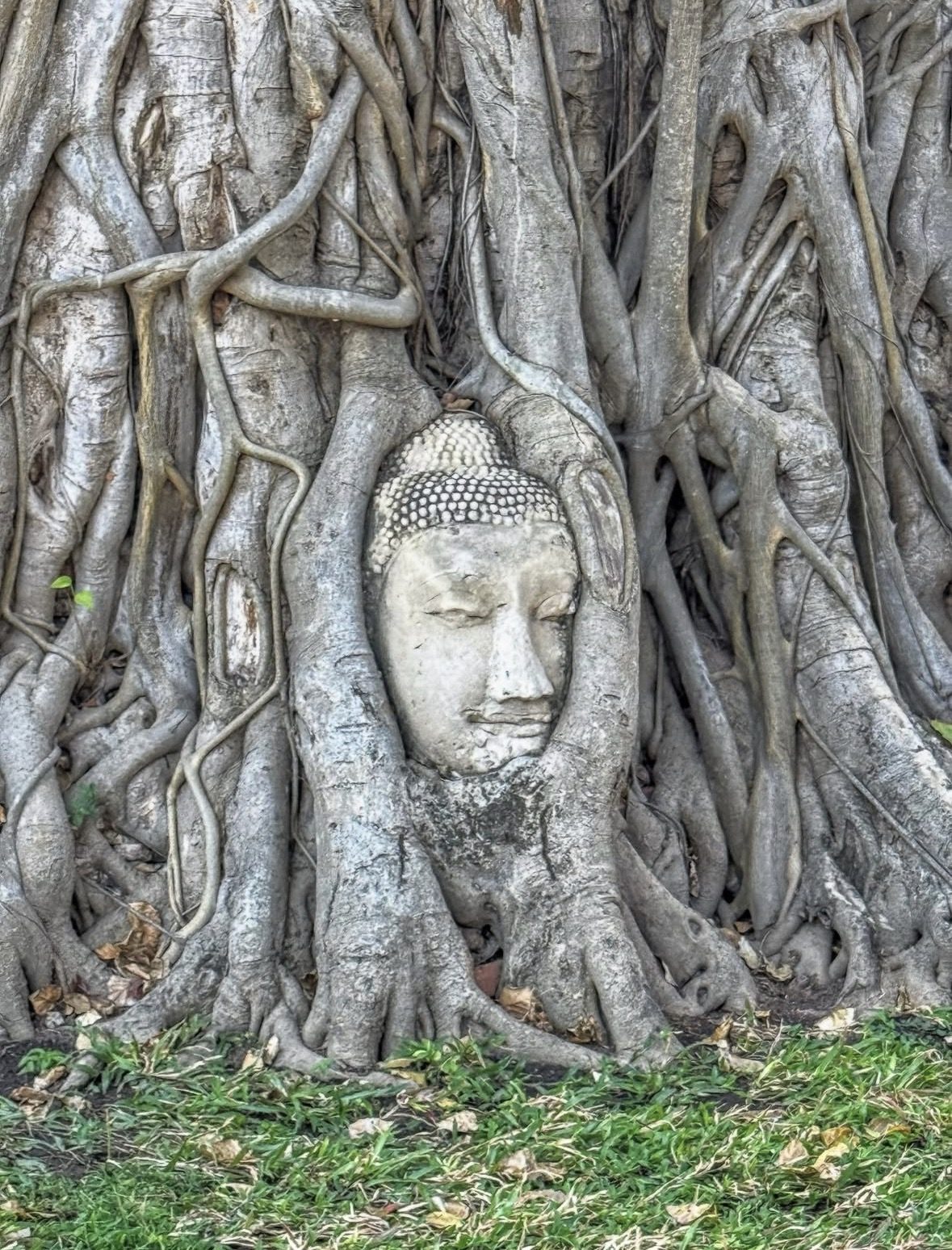
The fall of Ayutthaya in April 1767 at the hands of the Burmese Konbaung dynasty remains one of the most catastrophic events in Thai history. After a 14-month siege, Burmese forces breached the walls, looted the royal treasury, and systematically burned the city. Temples were stripped of gold, statues were decapitated to extract metal from their hollow heads, and thousands of manuscripts were destroyed. The survivors fled, and the once-magnificent capital was almost entirely abandoned. The new Thai capital was eventually established at Thonburi and later Bangkok under King Rama I, who founded the Chakri dynasty in 1782, though Ayutthaya's ruins remained a ghostly monument to the kingdom's former glory.
Serious archaeological and restoration work at Ayutthaya began in the early 20th century under the Thai Fine Arts Department, which was established in 1926. Systematic excavations gradually revealed the true scale of the buried city — inscriptions, ceramics, Buddha images, and architectural fragments that pieced together the complex history of the kingdom. The Thai government designated the area a historical park in 1976, consolidating preservation efforts under a unified administrative framework. Roads were improved, sites were stabilized against further decay, and interpretive signage began to guide visitors through the labyrinthine ruins. The park's establishment marked a formal national commitment to honoring Ayutthaya as the spiritual and historical heart of the Thai nation.
The crowning international recognition came in December 1991 when UNESCO inscribed the Ayutthaya Historical Park as a World Heritage Site, under the designation Historic City of Ayutthaya. UNESCO cited the site's Outstanding Universal Value, noting its magnificent ruins as eloquent testimony to the civilization that once flourished there and its profound influence on the development of Thai art, architecture, and culture. The inscription catalyzed significant investment in preservation infrastructure, research collaboration with international institutions, and tourism development. Today the park is managed jointly by the Fine Arts Department and the Ayutthaya Historical Park Office, with ongoing conservation programs addressing flood damage, vegetation encroachment, and the impacts of increasing visitor numbers on fragile ancient structures.
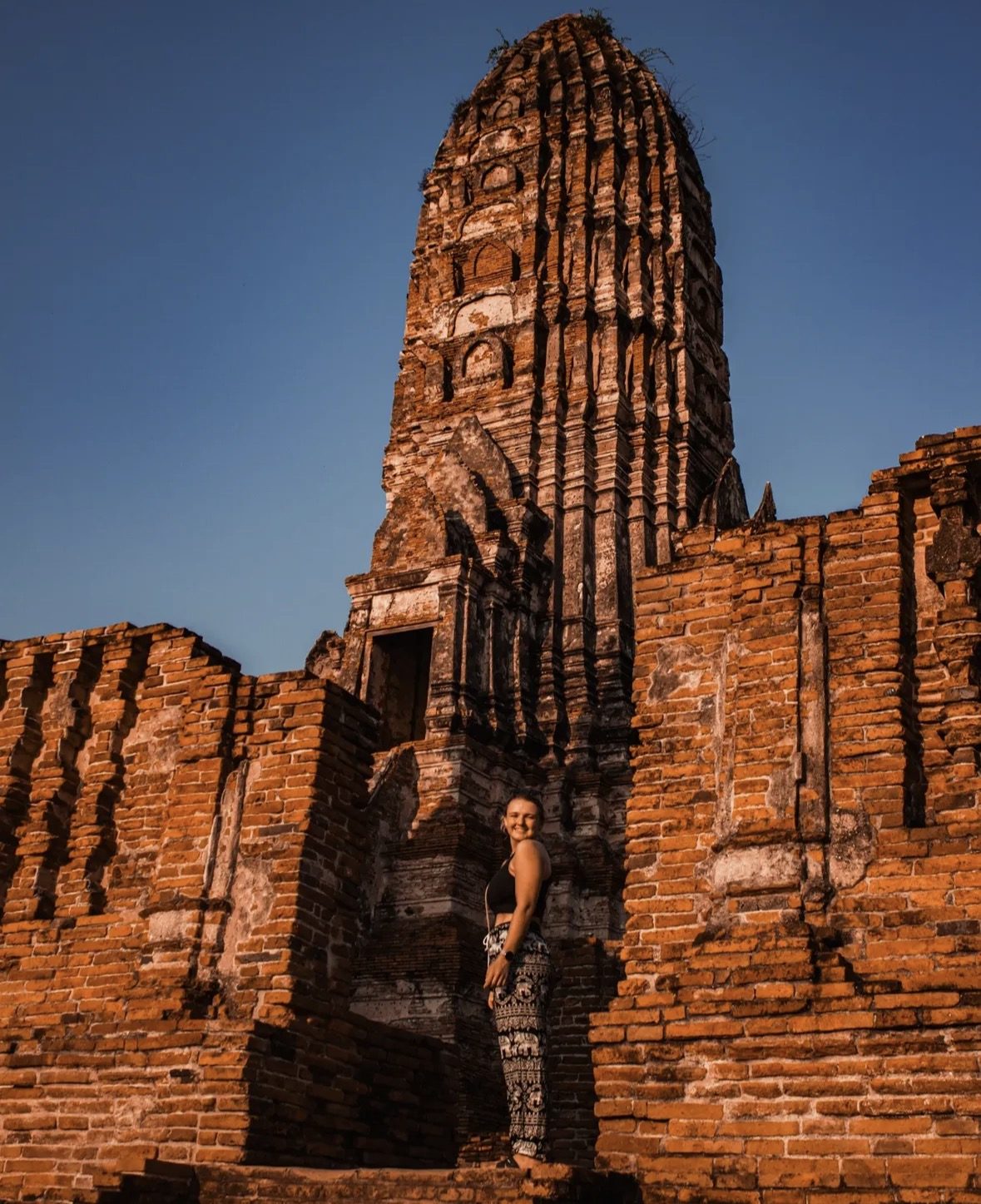
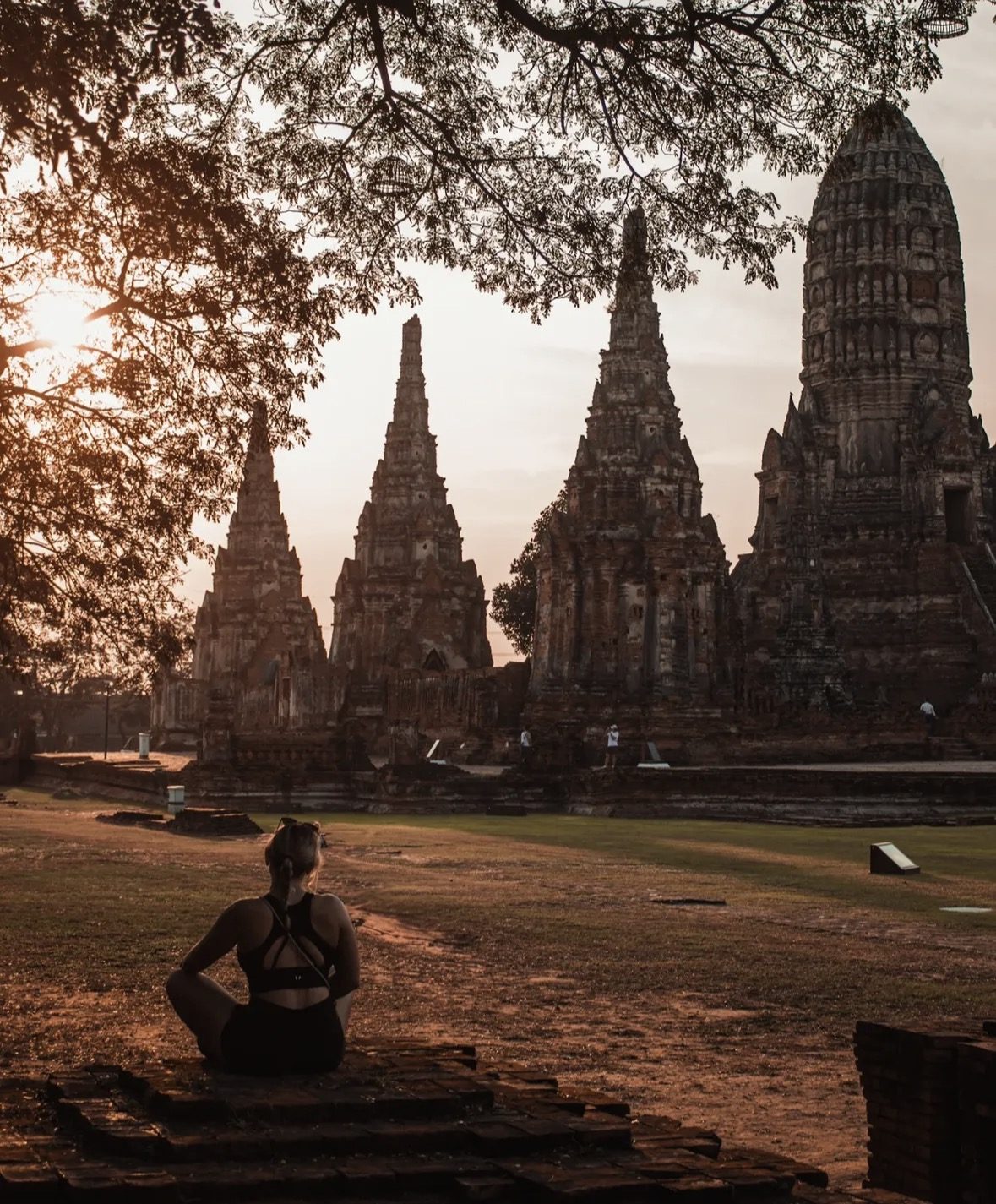
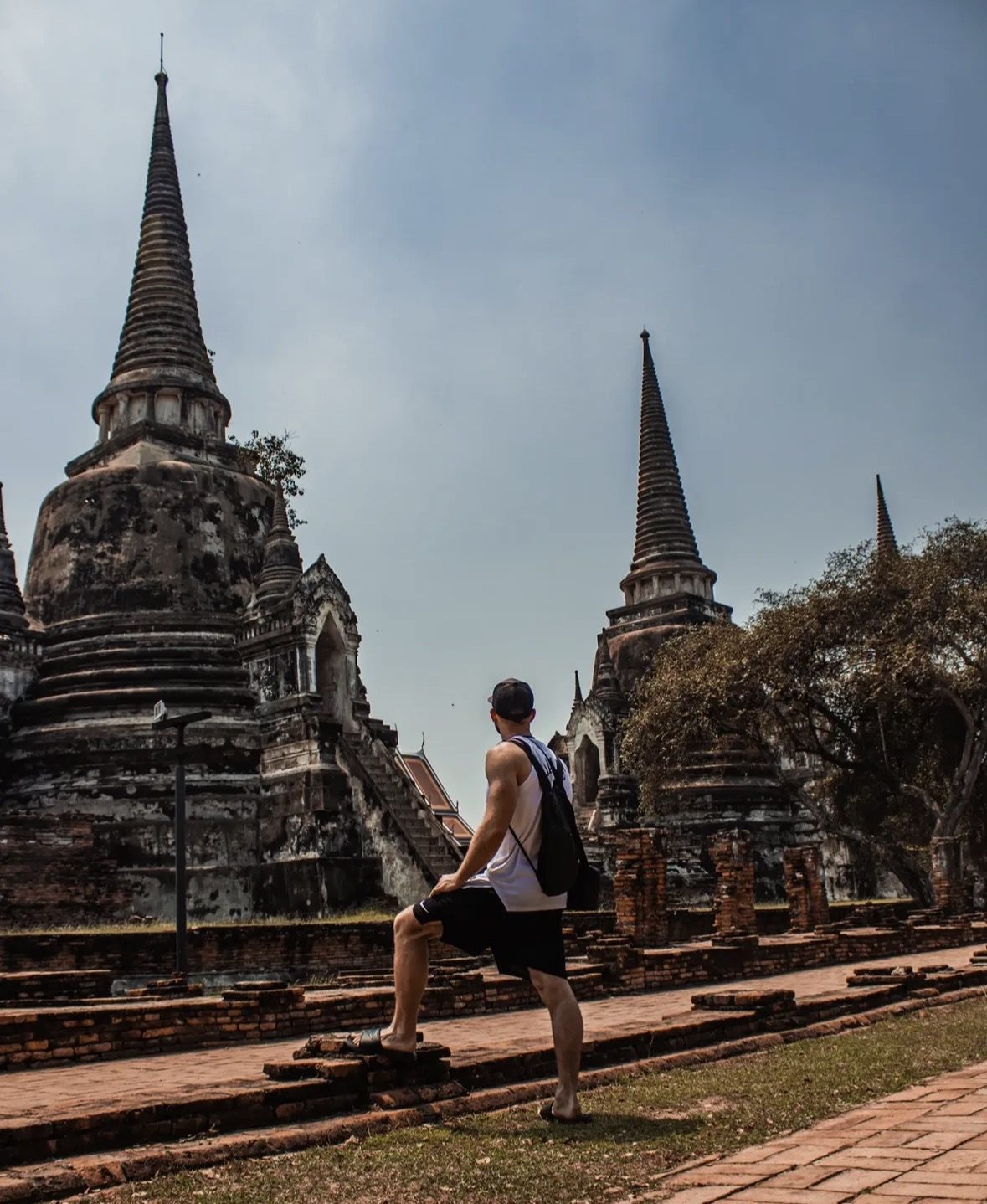
Spread across the island city and its surrounding areas, the Ayutthaya Historical Park encompasses dozens of individually distinct temple complexes, each telling a different chapter of the kingdom's story. The iconic image of a stone Buddha head entwined within the roots of a bodhi tree at Wat Mahathat has become one of Thailand's most photographed sights. Wat Phra Si Sanphet's three towering chedis stand as the defining skyline of the park. Wat Chaiwatthanaram, built in 1630 by King Prasat Thong on the banks of the Chao Phraya River, echoes the Khmer temple-mountain design of Angkor and glows magnificently at sunset. Visitors can explore by bicycle, tuk-tuk, or boat, with each mode of transport offering a different perspective on this extraordinary landscape.
Beyond the ruins themselves, Ayutthaya offers a deeply immersive travel experience that rewards curiosity and slow exploration. The Ayutthaya Historical Study Centre provides scholarly context, while the Chao Sam Phraya National Museum houses treasures recovered from royal crypts, including golden artifacts and jeweled ceremonial objects. Evening light shows at key temples illuminate the ruins in breathtaking color. The surrounding city of Ayutthaya, just 80 kilometers north of Bangkok and easily reached by train or boat, offers excellent Thai cuisine, riverside guesthouses, and warm local hospitality. Whether you are a history enthusiast, a photography lover, or simply a traveler seeking to understand the soul of Thailand, Ayutthaya's ancient stones speak a language that transcends time and invites you to listen.
Ready to Experience It Yourself?
Ayutthaya is best experienced with an expert guide who can bring the stones and stories to life — from royal palace complexes to riverside temple ruins that glow gold at sunset. Browse our handpicked selection of guided day tours and multi-day itineraries, designed to give you privileged access and insider knowledge of this UNESCO World Heritage masterpiece. Book your Ayutthaya adventure today and step into one of Asia's greatest lost civilizations.
Book Your Tour Now